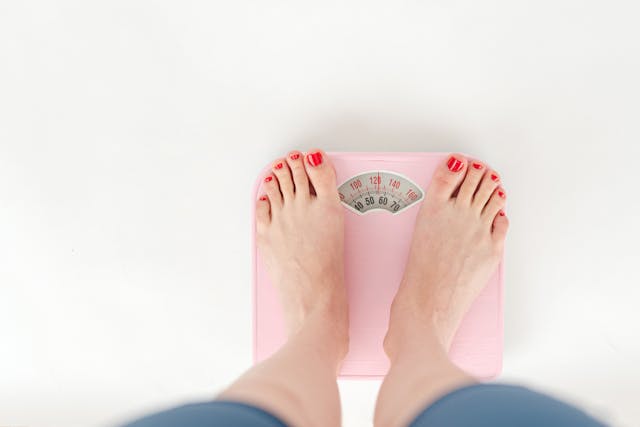
Body Mass Index, or BMI, is one of the most widely used health screening tools in the world. Doctors, nutritionists, and fitness professionals use it because it is quick, requires no special equipment, and gives a useful snapshot of weight-related health risks. But BMI is also widely misunderstood — a number alone does not tell the full story. Our BMI Calculator gives you an instant result along with context to help you interpret it sensibly.
What Is BMI and How Is It Calculated?
BMI estimates body fat based on height and weight. It does not measure fat directly, but research shows it correlates moderately with direct body fat measurements. The formula is simple:
| System | Formula |
|---|---|
| Metric | BMI = weight (kg) / height (m)² |
| Imperial | BMI = (weight (lbs) / height (in)²) × 703 |
For example: a person who is 1.70 m tall and weighs 68 kg has a BMI of 68 / (1.70 × 1.70) = 23.5, which falls in the normal weight range.
Standard BMI Categories for Adults
| Category | BMI Range | Health Risk Signal |
|---|---|---|
| Underweight | Below 18.5 | Possible nutritional deficiency |
| Normal weight | 18.5 – 24.9 | Low risk for weight-related conditions |
| Overweight | 25.0 – 29.9 | Moderate risk; monitor lifestyle |
| Obesity Class I | 30.0 – 34.9 | Increased risk; consult a professional |
| Obesity Class II | 35.0 – 39.9 | High risk; medical guidance recommended |
| Obesity Class III | 40.0 and above | Severe risk; medical intervention advised |
How to Get an Accurate BMI Reading
- Measure height correctly — Stand against a wall without shoes, look straight ahead, and use a flat object to mark the top of your head
- Weigh at the same time each day — Morning, after using the bathroom, before eating gives the most consistent results
- Use the right units — Mixing kilograms with feet and inches will give a completely wrong result
- Use a hard surface for the scale — Carpet adds error. Place the scale on tile or wood flooring
When BMI Can Be Misleading
BMI is a screening tool, not a diagnostic one. It can overestimate or underestimate body fat in certain groups:
- Athletes and bodybuilders — High muscle mass can push BMI into the overweight or obese range despite very low body fat
- Older adults — Age-related muscle loss means someone may have a normal BMI but high body fat percentage
- Pregnant women — Weight gain is expected and healthy; BMI is not the right metric during pregnancy
- Children and teenagers — Use age- and sex-specific growth charts instead of adult BMI ranges
- Certain ethnic groups — Some populations face higher health risks at lower BMI thresholds
Using BMI as Part of a Broader Health Picture
For a well-rounded assessment, pair your BMI result with other measurements:
- Waist circumference — Excess abdominal fat is a stronger risk predictor than BMI alone
- Body fat percentage — More accurate for individuals, especially athletes
- Blood work — Cholesterol, blood sugar, and blood pressure give a fuller picture
- Fitness level — How active you are matters more than the number on the scale
Our BMI Calculator gives you a quick estimate in seconds. Use it as a starting point, not a final verdict. Track your trend over time, and combine it with other health metrics for a complete understanding of your well-being.
Related Articles:
 Loan Calculator: How to Calculate Monthly Payments, Total Interest, and Affordability for Any Loan
 Heart Rate Calculator: How to Find Your Target Heart Rate Zones for Better Workouts
QR Code Generator: How to Create Custom QR Codes for Business Cards, Events, and Marketing Campaigns
HEX vs RGB vs HSL: How to Choose the Right Color Format for Any Project
Heart Rate Calculator: How to Find Your Target Heart Rate Zones for Better Workouts
QR Code Generator: How to Create Custom QR Codes for Business Cards, Events, and Marketing Campaigns
HEX vs RGB vs HSL: How to Choose the Right Color Format for Any Project
Leave a Reply
You must be logged in to post a comment.