In our daily lives, we often encounter various units of measurement, especially when it comes to length. Whether you’re working on a DIY project, cooking, or dealing with international shipping, knowing how to convert lengths accurately is essential. This is where a Length Converter comes in handy. For a reliable tool to convert lengths easily, check out Today Calculator.
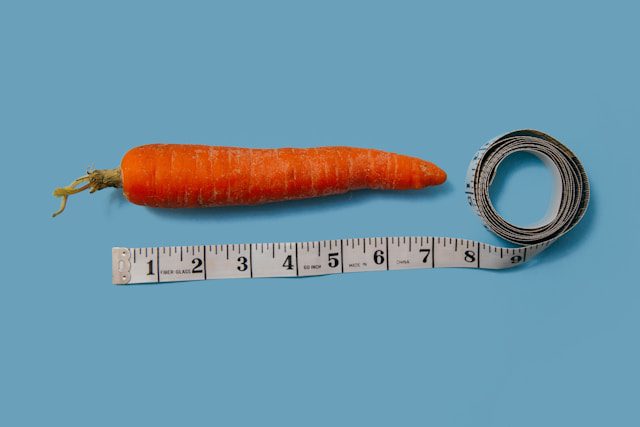
Why Use a Length Converter?
Using a length converter simplifies the process of converting between different units of measurement. With so many units in use—like inches, feet, meters, and kilometers—having a reliable converter saves time and minimizes errors. Whether you’re a student, a professional, or someone who just wants to get things right, a length converter is a valuable tool.
Common Length Units
Before diving into how to use a length converter, let’s take a quick look at some of the most common length units:
- Inches (in): Commonly used in the United States for measuring short distances.
- Feet (ft): Often used in construction and real estate.
- Yards (yd): Used mainly in sports and fabric measurements.
- Meters (m): The standard unit of length in the metric system.
- Kilometers (km): Used for measuring longer distances, particularly in geography.
How to Use a Length Converter
Using a length converter is straightforward. Here’s a step-by-step guide to help you through the process:
Step 1: Choose Your Converter
Visit a reliable length converter tool like Today Calculator. This tool is user-friendly and provides quick conversions between various units.
Step 2: Input Your Value
Once you’re on the converter page, locate the input field. Enter the length value you want to convert. For example, if you want to convert 10 meters to feet, type “10” in the appropriate field.
Step 3: Select Your Units
Next, select the unit of measurement you’re converting from and the unit you want to convert to. In our example, you would select “Meters” as the starting unit and “Feet” as the target unit.
Step 4: Get the Result
After entering the value and selecting the units, click on the “Convert” button. The converter will instantly provide you with the equivalent length in the desired unit. For instance, converting 10 meters would yield approximately 32.81 feet.
Manual Conversion: Understanding the Math
While using a converter is the easiest way to get results, it’s also helpful to understand how to do manual conversions. Here are some common conversion factors:
- 1 inch = 2.54 centimeters
- 1 foot = 0.3048 meters
- 1 yard = 0.9144 meters
- 1 kilometer = 0.621371 miles
If you ever find yourself without a converter, you can use these factors to calculate conversions manually. For example, to convert feet to meters, multiply the number of feet by 0.3048.
Applications of Length Conversion
Understanding how to convert lengths is useful in various fields:
- Construction: Builders often need to convert measurements to ensure accuracy in plans and materials.
- Travel: When traveling internationally, knowing how to convert distances helps in understanding maps and signs.
- Cooking: Recipes may use different units, and converting them ensures you use the correct amounts.
A Length Converter is an essential tool for anyone dealing with measurements. Whether you’re a student, a professional, or just someone who needs to convert lengths for everyday tasks, knowing how to use a converter can save you time and effort. With tools like Today Calculator, converting lengths is quick and easy. Embrace the convenience of technology and make your measurement tasks a breeze!



Leave a Reply
You must be logged in to post a comment.