Learning how to use a Length Converter the right way can save you hours of confusion whether you’re studying physics, working in construction, or simply trying to convert inches to centimeters when shopping online. Understanding length conversion is essential when dealing with multiple measurement systems, and having a reliable conversion process means you can handle metric and imperial units with total confidence.
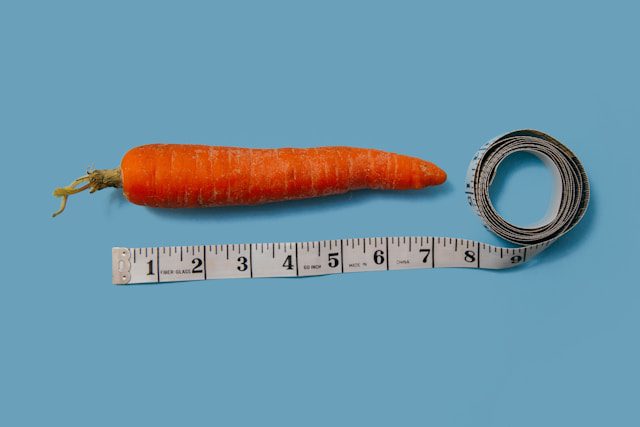
Length converters are digital tools that transform one unit of measurement into another instantly. They support units like millimeters, centimeters, meters, kilometers, inches, feet, yards, and miles. The reason a quality converter is so useful is simple—manual calculations can be tricky. Converting between metric and imperial units requires multipliers that are not always intuitive. For example, one inch equals exactly 2.54 centimeters, and one meter equals 3.28084 feet. A small mistake in these numbers can lead to serious errors in technical work or product sizing.
To use a length converter correctly, start by entering the number you want to convert, select your source unit (for example, meters), and then choose your target unit (such as feet). The tool will instantly show the converted value. The process looks simple, but the science behind it is based on conversion ratios that stem from international standards of measurement. These ratios are constant and are recognized globally under the International System of Units (SI).
Professionals use length converters for daily work. Architects, engineers, and designers rely on them for precision in drawings and models. Travelers often use them to interpret distance markers in foreign countries, while students use them in mathematics and science classes. Even online sellers depend on accurate conversions to list product dimensions correctly across different markets. A reliable converter eliminates errors and ensures consistency across all measurement formats.
Choosing the right length converter also matters. A good tool should handle multiple units, be mobile‑friendly, and provide instant results without lag. Many modern converters add features like automatic copy functions, decimal rounding options, and multi‑unit display to show several possible conversions at once. These details make the workflow smooth and avoid switching between apps or websites.
When dealing with international projects, accurate length conversion becomes even more vital. Miscalculations in unit size can lead to manufacturing issues, incorrect packaging, or mistakes in blueprints. Using a digital converter prevents those errors, ensuring data integrity and smooth cooperation between teams who may use different measurement systems.
The long‑term benefit of mastering how a length converter works goes beyond convenience—it builds precision habits. Once you understand how these units relate to each other, interpreting distances and dimensions becomes second nature. This skill enhances your efficiency in any field that involves thinking in numerical or spatial terms.
So next time you need to switch between inches, meters, or miles, use a reliable online length converter. It’s fast, accurate, and reduces mistakes. With just a few clicks, you can transform any measurement unit and focus on what really matters—getting your numbers right.




Leave a Reply
You must be logged in to post a comment.