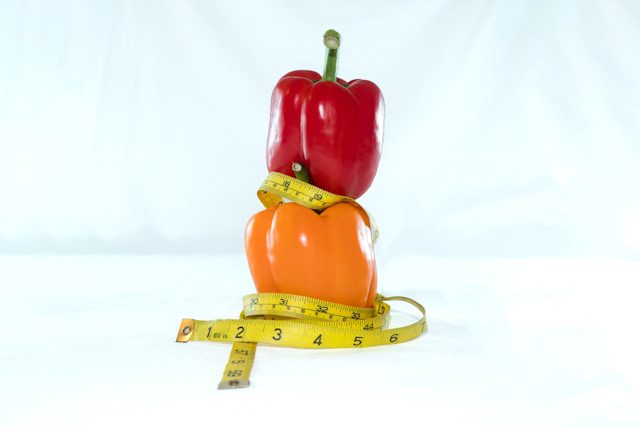
Your weight alone does not tell you whether you are losing fat or muscle. Two people at the same weight can have completely different body compositions — which is why tracking body fat percentage gives you a much clearer picture of your fitness progress. A Body Fat Calculator gives you a reliable estimate in seconds from a few simple measurements, and used consistently it becomes one of the best progress tools you own.
Why Body Fat Percentage Matters More Than the Scale
The scale cannot tell the difference between fat loss, water loss, and muscle loss. Body fat percentage measures the proportion of your total weight that is fat. Track it alongside your weight and you will see the real story: a steady weight with a dropping body fat percentage means you are recomping (losing fat while gaining muscle), which is a win the scale alone would hide. Conversely, a dropping weight with a rising body fat percentage means you are losing muscle faster than fat — the classic “skinny fat” trap of crash dieting.
How Online Body Fat Calculators Work
Most free calculators use the U.S. Navy circumference method, which estimates body fat from tape measurements:
- Men: neck and waist measurements
- Women: neck, waist, and hip measurements
- Height is factored in for both
It is not as precise as a DEXA scan or hydrostatic weighing, but it is consistent, free, and accurate enough (within a few percentage points) for tracking trends over time. The key word is consistent — the same method used the same way every time gives you a reliable trend line even if the absolute number is slightly off.
Healthy Ranges by Sex
| Category | Men | Women |
|---|---|---|
| Essential fat | 2–5% | 10–13% |
| Athletes | 6–13% | 14–20% |
| Fitness | 14–17% | 21–24% |
| Average | 18–24% | 25–31% |
| Above average / obese | 25%+ | 32%+ |
Women naturally carry more essential fat (for hormone regulation and reproduction), so do not compare your numbers directly against a man’s chart — always use the sex-specific ranges.
How to Track Progress the Right Way
- Measure at the same time of day — first thing in the morning is best
- Use the same tape and the same technique every time
- Do not stress single readings; look at the 2–4 week trend
- Pair it with progress photos and waist measurements for context
- Recheck every 2–4 weeks, not every day
- Stay hydrated consistently before measuring — water weight skews results
How to Improve Your Body Fat Percentage
- Create a modest calorie deficit — 300–500 calories below maintenance preserves muscle while losing fat
- Prioritize protein — 1.6–2.2 g per kg of body weight protects lean mass during a cut
- Lift weights — resistance training signals your body to keep muscle while in a deficit
- Walk more — daily steps (8,000–10,000) add up to significant fat loss without exhausting you
- Sleep 7–9 hours — poor sleep raises hunger hormones and impairs fat loss
Take your measurements and run them through the Body Fat Calculator today — then recheck in a month and let the trend, not the scale, guide your next step.
Related Articles:
 Investment Returns Calculator: How to Measure and Compare Your Portfolio Growth
 Investment Returns Calculator: How to Calculate Your Portfolio Growth and Compare Investments
 Weight Converter: How to Convert Between Kilograms, Pounds, Ounces, and Stones in Seconds
 Statistics Calculator: How to Calculate Mean, Median, Mode, and Standard Deviation
Leave a Reply
You must be logged in to post a comment.